PLG Supplies Guide 2026: Essential Tools, PPE & Operational Products for Businesses
In today’s fast-moving business environment, organizations depend on reliable materials, equipment, and operational products to maintain productivity and efficiency. From factories and construction sites to warehouses and offices, businesses require a steady flow of essential items to keep daily operations running smoothly. This is where PLG supplies become an important part of modern supply chains.
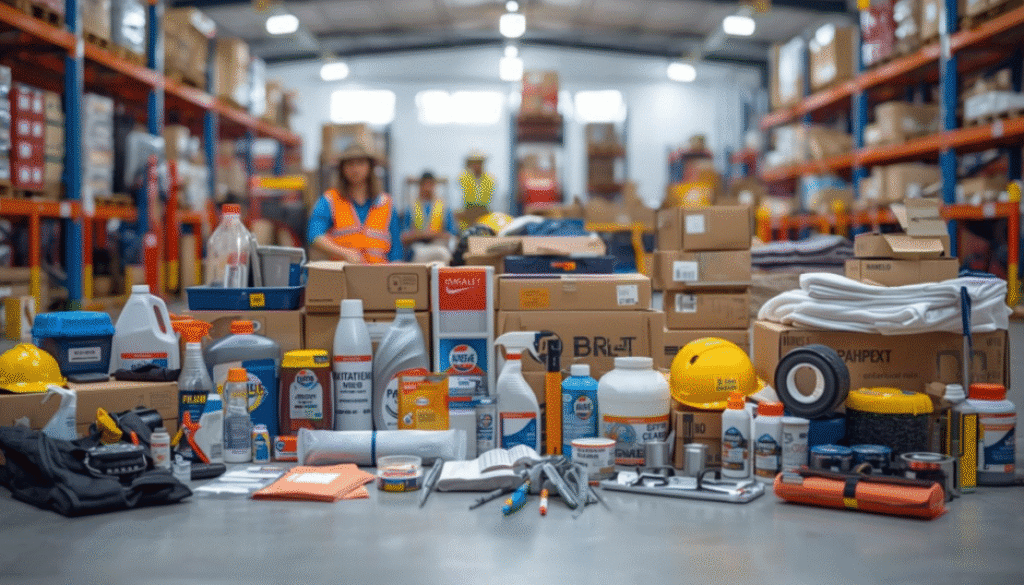
PLG supplies cover a wide range of products used in production, logistics, maintenance, and general business operations. These supplies ensure that companies have the tools, safety equipment, packaging materials, and maintenance products needed to operate efficiently. Without proper access to these essential resources, businesses can experience delays, safety risks, and increased operational costs.
This guide explains everything you need to know about PLG supplies, including their meaning, categories, benefits, industries that rely on them, and how they support modern business operations.
What Are PLG Supplies?
PLG supplies refer to a broad category of operational materials and equipment used by businesses to support their daily activities. The term is often associated with Production, Logistics, and General-use supplies, which include a wide range of tools, safety equipment, maintenance materials, packaging products, and workplace essentials.
Unlike finished goods that are sold directly to consumers, PLG supplies are used internally by companies to maintain operations and support productivity. These supplies help businesses perform tasks such as equipment maintenance, shipping, storage, packaging, safety compliance, and facility management.
PLG suppliers typically provide products in bulk and offer solutions tailored to different industries. By consolidating multiple supply categories under a single supplier, companies can simplify procurement and reduce operational complexity.
Why PLG Supplies Are Important for Businesses
Every organization depends on reliable resources to maintain smooth operations. Without proper supplies, work processes can slow down, productivity can decline, and operational risks can increase.
PLG supplies play a vital role in business operations because they help organizations:
Maintain operational continuity
Businesses rely on tools, packaging materials, and maintenance products to keep workflows running smoothly.
Ensure workplace safety
Personal protective equipment (PPE) and safety tools protect employees and help companies meet regulatory requirements.
Improve logistics and supply chain efficiency
Packaging and material handling supplies help businesses manage inventory and shipments effectively.
Reduce downtime
When companies have immediate access to necessary tools and equipment, they can quickly resolve maintenance issues and avoid costly delays.
Simplify procurement
Many businesses prefer PLG suppliers because they provide multiple product categories under one system, making purchasing easier and more efficient.
Major Categories of PLG Supplies
PLG supplies include a wide range of product categories that support different aspects of business operations. Below are the most common categories.
1. Industrial Tools and Equipment
Industrial tools are essential for manufacturing, maintenance, and construction activities. These tools help workers perform tasks such as assembling products, repairing machinery, and maintaining infrastructure.
Common examples include:
- Hand tools such as screwdrivers, wrenches, and pliers
- Power tools such as drills, grinders, and saws
- Cutting tools and abrasives
- Fasteners and mechanical components
- Workshop equipment
High-quality industrial tools increase productivity and ensure that tasks are completed safely and efficiently. Many businesses rely on PLG suppliers to maintain a consistent supply of these tools.
2. Personal Protective Equipment (PPE)
Workplace safety is a critical concern for many industries. Personal protective equipment is designed to protect employees from hazards such as chemicals, falling objects, dust, and loud noise.
Common PPE supplies include:
- Safety helmets
- Protective gloves
- Safety glasses and face shields
- Respirators and masks
- Ear protection
- High-visibility clothing
Construction sites, factories, and warehouses rely heavily on PPE to protect workers and maintain compliance with safety regulations.
3. Packaging and Shipping Supplies
Logistics operations depend on reliable packaging materials to ensure products are transported safely.
Common packaging supplies include:
- Corrugated boxes and cartons
- Bubble wrap and foam packaging
- Packing tape and adhesives
- Stretch wrap and shrink film
- Shipping labels and barcode tags
These materials help businesses protect products during shipping, reduce damage risks, and improve inventory management.
E-commerce companies, warehouses, and distribution centers rely on these supplies daily to process orders and deliver products to customers.
4. Maintenance and Facility Supplies
Facility maintenance supplies are used to keep workplaces clean, organized, and safe. These products support building maintenance and sanitation efforts.
Examples include:
- Cleaning chemicals and disinfectants
- Floor cleaning equipment
- Waste management products
- Mops, brooms, and cleaning tools
- Air fresheners and sanitizing products
Clean workplaces improve employee health, reduce the spread of illness, and create a more professional environment for customers and visitors.
5. Storage and Material Handling Equipment
Many businesses rely on storage and material handling systems to organize inventory and move products efficiently.
Common items include:
- Storage bins and containers
- Shelving units and racks
- Pallets and pallet trucks
- Carts and trolleys
- Warehouse labeling systems
These supplies help warehouses and factories improve workflow efficiency and maintain organized storage systems.
6. Office and Administrative Supplies
In addition to industrial products, many PLG suppliers provide office supplies that support business administration.
Examples include:
- Paper and notebooks
- Printers and ink cartridges
- Filing systems
- Desk organizers
- Office furniture
Even large industrial operations require administrative supplies to support documentation, communication, and management activities.
Industries That Rely on PLG Supplies
PLG supplies support a wide range of industries around the world. Because they cover multiple product categories, they are essential in almost every business sector.
Manufacturing
Manufacturing facilities depend on PLG supplies for machinery maintenance, production tools, safety equipment, and packaging materials.
Construction
Construction companies require safety gear, tools, adhesives, fasteners, and building materials to complete projects efficiently.
Logistics and Warehousing
Distribution centers rely heavily on packaging materials, labeling systems, storage equipment, and material handling tools.
Healthcare
Hospitals and clinics use sanitation products, PPE, medical supplies, and facility maintenance products to maintain hygiene and safety.
Retail and E-Commerce
Retail businesses and online stores require packaging supplies, inventory management tools, and shipping materials.
Education and Government
Schools, universities, and government offices use cleaning supplies, office equipment, and facility maintenance products.
Because of this wide usage, PLG suppliers serve as an essential partner for many organizations.
Benefits of Working With a PLG Supplier
Businesses often prefer working with a specialized PLG supplier because it offers several advantages.
Centralized Supply Management
Instead of working with multiple vendors, businesses can obtain various supplies from a single supplier.
Cost Savings
Bulk purchasing and wholesale pricing often reduce overall procurement costs.
Consistent Product Availability
Professional suppliers maintain large inventories to ensure essential products are always available.
Faster Delivery
Many suppliers offer fast shipping and logistics solutions that help businesses receive supplies quickly.
Improved Operational Efficiency
By simplifying procurement and inventory management, companies can focus more on their core business activities.
Technology Transforming the PLG Supply Industry
The PLG supply industry is evolving rapidly due to technological advancements. Digital procurement systems and automated inventory management tools are making supply chains more efficient.
Key technological trends include:
E-commerce procurement platforms
Businesses can now order supplies online through digital catalogs and automated purchasing systems.
Inventory tracking systems
Real-time tracking allows companies to monitor stock levels and avoid shortages.
Automated reordering
Many procurement platforms automatically reorder supplies when inventory levels drop below a certain threshold.
AI-powered forecasting
Advanced analytics tools can predict future demand and optimize supply chain planning.
These innovations help businesses reduce costs, prevent supply shortages, and improve operational efficiency.
How to Choose the Right PLG Supplier
Selecting the right supplier is important for maintaining a reliable supply chain. Businesses should consider several factors when choosing a PLG supplier.
Product range
A supplier should offer a wide selection of industrial, logistics, and office supplies.
Quality standards
High-quality products ensure durability, safety, and reliability.
Pricing and bulk discounts
Competitive pricing helps businesses control procurement costs.
Delivery speed
Reliable and fast delivery ensures operations continue without interruption.
Customer support
Responsive customer service helps resolve issues quickly and maintain smooth procurement processes.
By evaluating these factors, businesses can choose a supplier that meets their operational needs.
The Future of PLG Supplies
As industries continue to evolve, the demand for efficient supply chains will continue to grow. PLG suppliers are expected to play an even larger role in supporting modern businesses.
Future trends may include:
- Smart inventory systems powered by AI
- Sustainable and eco-friendly packaging materials
- Automated warehouse supply management
- Blockchain-based supply chain tracking
- Integrated procurement platforms
These innovations will make supply chains more transparent, efficient, and environmentally friendly.
Conclusion
PLG supplies are a crucial component of modern business operations. From industrial tools and safety equipment to packaging materials and office products, these supplies support the daily activities of organizations across many industries.
By partnering with reliable PLG suppliers, businesses can simplify procurement, reduce costs, improve safety, and maintain efficient operations. As technology continues to transform supply chains, PLG supplies will remain a fundamental part of business infrastructure.
Organizations that invest in efficient supply systems will be better positioned to improve productivity, manage logistics effectively, and stay competitive in an increasingly demanding business environment.
If you want, I can also create:
- 10 SEO FAQs about PLG Supplies (great for Google snippets)
- SEO title + meta description + keywords
- Internal linking SEO structure to outrank the competitor article.
FAQs
1. What are PLG supplies?
PLG supplies refer to a broad range of operational products used by businesses for production, logistics, and general workplace needs. These supplies include tools, safety equipment, packaging materials, maintenance products, and office essentials that help organizations run daily operations efficiently.
2. What does PLG stand for in PLG supplies?
In most business and industrial contexts, PLG stands for Production, Logistics, and General supplies. The term is used to describe products that support operational activities such as manufacturing, shipping, maintenance, and workplace management.
3. What products are included in PLG supplies?
PLG supplies typically include:
- Industrial tools and equipment
- Personal protective equipment (PPE)
- Packaging and shipping materials
- Cleaning and maintenance supplies
- Storage and warehouse equipment
- Office and administrative supplies
These products help businesses maintain productivity and operational efficiency.
4. Why are PLG supplies important for businesses?
PLG supplies are essential because they ensure that businesses have the tools, materials, and safety equipment required to operate smoothly. Without these supplies, organizations may experience delays, safety risks, and interruptions in their workflow.
5. Which industries use PLG supplies?
Many industries rely on PLG supplies, including:
- Manufacturing
- Construction
- Logistics and warehousing
- Healthcare
- Retail and e-commerce
- Education and government institutions
These industries depend on operational supplies to maintain productivity and safety.
6. How do PLG suppliers help improve supply chain efficiency?
PLG suppliers streamline procurement by offering multiple product categories through a single vendor. This helps businesses reduce administrative work, manage inventory more effectively, and ensure consistent availability of essential materials.
7. Are PLG supplies different from regular office supplies?
Yes. While office supplies are one part of PLG supplies, the category is much broader. PLG supplies include industrial tools, safety equipment, packaging materials, and facility maintenance products, in addition to standard office items.
8. What should businesses consider when choosing a PLG supplier?
When selecting a PLG supplier, businesses should consider:
- Product variety
- Quality standards
- Competitive pricing
- Reliable delivery
- Customer support
- Inventory availability
Choosing the right supplier ensures a stable and efficient supply chain.
9. How are technology and automation changing PLG supply management?
Modern PLG suppliers use digital procurement platforms, automated inventory systems, and AI-driven forecasting tools. These technologies help businesses track supplies in real time, automate reorders, and reduce supply shortages.
10. How can businesses reduce costs when purchasing PLG supplies?
Businesses can reduce costs by:
- Buying supplies in bulk
- Partnering with a single supplier for multiple product categories
- Using automated inventory systems to avoid overstocking
- Negotiating long-term supplier contracts
These strategies help organizations control procurement expenses while maintaining operational efficiency.